Sixteen Words and a Dream: Inside the Blurb Machine That Picks Your Next Read
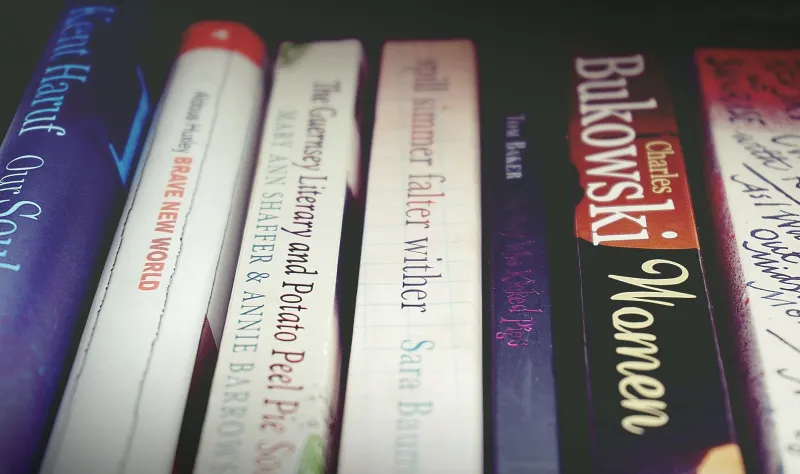
You've done it. We've all done it. Standing in the fiction aisle at a Barnes & Noble somewhere in America, you picked up a novel because a name you vaguely trusted called it "a dazzling feat of storytelling." You never read a page. You never read a review. One sentence did the whole job.
Welcome to the blurb economy — the quiet, weirdly high-stakes industry that decides what millions of us read, one glowing endorsement at a time.
What Exactly Is a Blurb, Anyway?
Quick vocabulary check, because people mix these up constantly. The thing on the back of the book that describes the plot? That's jacket copy, written by the publisher's marketing team. A blurb is the quote — the endorsement from another author, a celebrity, or a media outlet that gets pasted onto the cover like a gold star.
"Riveting." "Unputdownable." "The book everyone will be talking about."
These words are not accidents. They are engineered, negotiated, and sometimes fought over with the intensity of a contract dispute. Because here's the truth publishers know and readers rarely think about: a strong blurb from the right person can move tens of thousands of copies. A weak one — or none at all — can bury a book before it ships.
Who's Actually Writing These Things?
The blurbing process starts long before a book hits shelves. Publishers print early manuscripts called ARCs (advance reader copies) and mail them out to authors, critics, and influencers months before publication, along with a polite request: Would you consider saying something nice?
Sometimes it's organic — an author genuinely loved the book. Often it's professional courtesy. The literary world runs on a kind of karmic exchange program: you blurbed my last book, I'll read your galley. Big-name authors get flooded with requests, and their assistants (yes, there are often assistants) triage the pile.
And then there's the comparison game. Ever notice how debut novels are always "in the tradition of" some beloved bestseller? That's not a coincidence. Marketing teams deliberately seek blurbs from authors whose readership overlaps with the book they're selling. A new thriller gets a quote from a thriller titan. A literary debut gets a literary lion. The blurb is a handshake between fanbases.
The Language of Cover Praise
Blurbs have their own dialect, and once you hear it, you can't unhear it:
- "Propulsive" — things happen, quickly, allegedly
- "Luminous" — literary fiction, probably sad
- "I couldn't put it down" — the workhorse of the genre, technically a confession of weakness
- "A stunning debut" — nobody involved has a track record yet
- "Timely and timeless" — the blurb equivalent of having your cake and eating it
Blurbers are also famously generous with praise and stingy with specifics. A quote that says too much can spoil the book; a quote that says nothing can't sell it. The sweet spot is emotional certainty with total vagueness — conviction without commitment.
There's a real economics to it, too. Blurbs get tested. Cover designs get focus-grouped. If a quote from a household name is available, it might go on the front cover, which is the publishing equivalent of a billboard on the interstate.
Does Any of This Actually Work?
Honestly? More than we'd like to admit.
Studies of consumer behavior suggest most book buyers spend seconds — literal seconds — deciding. In that window, the blurb does the heavy lifting that reviews, TikTok, and book club chatter do over weeks. It's a trust shortcut: this person I already like vouches for this thing I know nothing about. It's the same instinct that makes you try a restaurant because a friend raved about it.
The catch is that blurbers are usually blurbing their friends' books, on deadline, from a galley they may have skimmed. The endorsement is sincere, but it's also social. That's not fraud — it's just how a small, interdependent industry keeps itself running.
Your Challenge: The Blurb Rewrite
And now, IdeaBook readers, the fun part. This month's challenge is the Blurb Rewrite: take a book you love, look at its actual cover copy and blurbs, and write your own — two versions.
Version one: brutal honesty. The blurb that tells the absolute truth about the reading experience. For Moby-Dick: "A gripping whale hunt interrupted by roughly 80 pages of whale anatomy. You will finish it out of spite and be changed forever."
Version two: over-the-top hype. Blurbing in the style of a movie trailer voice. For Charlotte's Web: "Some pig. Some promise. Some spider will risk everything."
Post your rewrites in the community thread, and here's the twist that makes it interesting: after writing both, go back and reread the real blurb. Ask yourself — did the promise match the book? Would your honest version have sold more copies, or fewer? What does that tell you about what cover praise is actually selling?
Because that's the real lesson of the blurb economy. It's not lying to you. It's just selling you a feeling — and whether that feeling survives chapter one is the only test that matters.
Grab a book, grab a pen, and let's see what happens when readers write the covers for a change.