The Unfinished Chapter: Why Book Clubs Are Passing Around Blank Notebooks Instead of Finished Copies
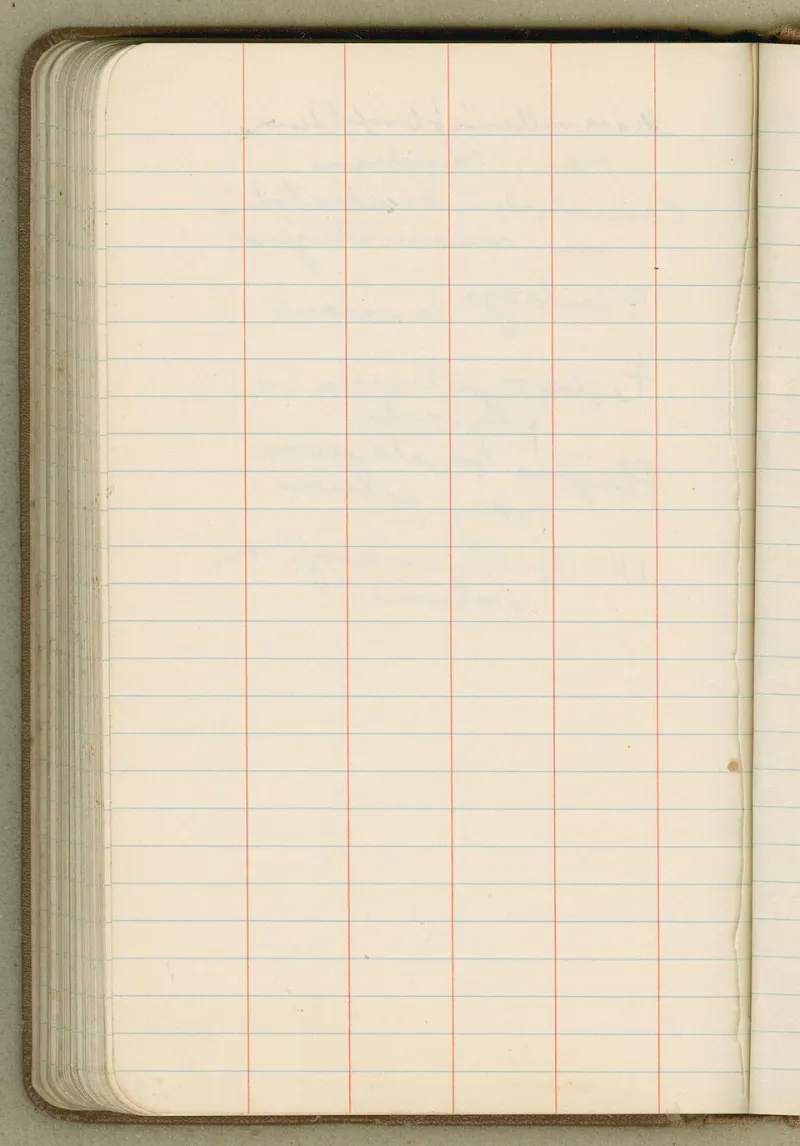
Photo: Carlquist, Sherwin John, 1930-2021, CC BY 4.0, via Wikimedia Commons
The Book Goes Back on the Shelf. The Notebook Keeps Moving.
Most book clubs end the same way: someone stacks the finished copies by the door, someone else asks who has next pick, and the conversation slowly leaks out of the room. The book has been discussed. The meeting is over. The ideas are supposed to be done.
A different ritual is showing up in living rooms and library meeting rooms around the country. Instead of handing off the novel, members hand off a blank notebook. The book stays put — or goes back to the library — while the notebook travels from one reader to the next, collecting prompts, margin thoughts, questions, sketches, and the kind of stray observations that usually disappear before the coffee cups are cleared.
It is not a formal movement. There is no trademarked system, no official starter kit. But in 2026, groups from Portland to Atlanta are improvising their own versions, and the appeal is easy to see: a finished book is a closed object. A notebook is a door left open.
How the Handoff Actually Works
The basic structure is almost aggressively simple. A club picks a book. Everyone reads it. At the meeting, one member volunteers to start a notebook — any notebook, though plain and sturdy tends to win — and writes the first entry. Then the notebook goes to the next person, usually with a deadline attached.
Some groups pass it hand to hand at the end of the meeting. Others use a mail slot, a tote bag, or a kitchen counter drop-off. The entries are not book reviews. They are closer to sparks: a line that stuck, a question the ending left behind, a memory the chapter triggered, a half-formed idea for something to try in real life.
The notebook does not replace discussion. It extends it. In many clubs, the notebook returns at the next meeting and becomes the agenda. Members flip through it, respond to each other's notes, and decide which ideas deserve more time. The book may be finished, but the thinking is still in motion.
The Rules Groups Are Making Up as They Go
Because the ritual is young and local, every club seems to be inventing its own guardrails. A few patterns keep surfacing.
One page per reader, minimum. The page limit keeps the notebook from becoming a diary for one enthusiastic member. It also makes the handoff feel fair. Everyone gets the same amount of space, whether they write three sentences or three paragraphs.
Prompts are optional, but a starting question helps. Some notebooks come with a sticky note on the inside cover: What idea from this book would you actually use? What did you resist? What would you ask the author? The prompts are training wheels, not homework.
No grading, no performing. This is the rule that matters most. The notebook is not a place for polished takes. It is a place for thinking out loud. Groups that treat it like a mini essay assignment tend to watch participation drop.
Return it, even if you hated the book. A lukewarm or negative entry is still an entry. Some of the best notebook pages are the ones that say, plainly, "This book did not work for me, but here is the question it left me with."
Hand it off in person when possible. The passing itself is part of the pleasure. A notebook slid across a table carries more weight than an email attachment. It also gives members a reason to check in between meetings.
Why Unfinished Thoughts Feel So Intimate
Reading someone else's finished review is a little like reading a restaurant menu. Reading someone else's unfinished thought is more like standing in their kitchen while they cook.
The notebook makes room for the mess. A member might write "I keep thinking about the sister" and stop there. Another might draw a box around a single word. Someone else might cross out a sentence, then write it again in the margin. These are not conclusions. They are traces of attention.
That is where the intimacy comes from. A book club already asks people to share opinions, but the notebook asks them to share process. It captures the moment before a thought becomes presentable. Members learn what their friends notice, what they avoid, what makes them laugh, and what they are still chewing on three days after the meeting.
It also lowers the pressure. Not everyone wants to talk in a group. Not everyone can get a word in. The notebook gives quieter members a channel that does not require interrupting anyone or waiting for the perfect pause. The conversation becomes more layered: some of it happens out loud, some of it happens in ink.
A Challenge With a Long Tail
As a reading challenge, the notebook handoff is almost suspiciously low-effort. There is no app to download, no reading log to maintain, no badge to earn. The only requirement is that you read the book and then leave something behind for the next person.
But that low effort is the point. The ritual works because it does not demand a big commitment. It asks for one page, one thought, one handoff. Over time, those small entries add up to something a single meeting cannot produce: a record of how a group's thinking changed as the book moved through it.
Clubs that keep the notebooks are already noticing the long tail. A prompt from one month becomes a debate two months later. A half-joke in the margin turns into a real recommendation. A question nobody could answer becomes the reason the group reads a second book on the same subject.
The book stays finished. The idea does not have to.
The Small Ritual That Refuses to End
There is something appealingly old-fashioned about the whole thing. A notebook is cheap. A handoff is slow. The entries are imperfect. And yet the ritual keeps spreading because it solves a real problem: most book club ideas die of good intentions. They stay in the room, in the chat, or in someone's head until they fade.
The blank notebook gives those ideas somewhere to go. It turns a single meeting into a relay. It makes reading a shared act not just because everyone read the same book, but because everyone left a little of their thinking behind for someone else to pick up.
At IdeaBook Club, that is the kind of challenge we can get behind. Not the kind that asks you to read more, faster, or better. The kind that asks you to pass the spark along before it goes out.